
KYC, Token sale, Circulating Supply
February 10, 2025Ethereum: Can I modify the source code of Bitcoin to generate addresses people have already used?
February 10, 2025
The Future of P2P Transactions in the Cryptocurrency World
The peer-to-peer (P2P) technology has revolutionized the way we conduct financial transactions. With the emergence of cryptocurrencies, such as Bitcoin and Ethereum, P2P transactions have become increasingly popular among individuals and businesses alike. In this article, we will explore the future of P2P transactions in the cryptocurrency world.
The Rise of P2P Transactions
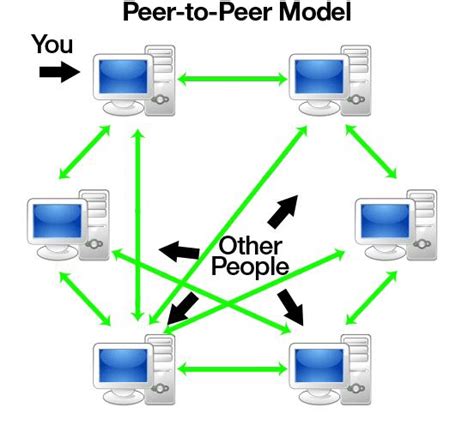
P2P transactions refer to the direct exchange of value between two parties without the involvement of a third party, such as a bank or an intermediary. The rise of cryptocurrencies has made it possible for individuals and businesses to conduct P2P transactions with ease. The decentralized nature of blockchain technology ensures that all transactions are secure, transparent, and irreversible.
Characteristics of P2P Transactions
P2P transactions have several key characteristics:
- Decentralized: P2P transactions operate on a peer-to-peer network, eliminating the need for intermediaries.
- Secure: The use of cryptographic algorithms ensures that all transactions are secure and protected from tampering or eavesdropping.
- Transparent
: All transactions are recorded on a public ledger, making it possible to track every transaction in real-time.
- Involuntary: P2P transactions can occur without the involvement of any third parties, such as banks.
Advantages of P2P Transactions
The advantages of P2P transactions include:
- Faster Settlement Times
: P2P transactions are typically settled faster than traditional payment systems, which can take days or even weeks to complete.
- Lower Transaction Fees: The use of blockchain technology has led to the development of new payment methods that offer lower transaction fees compared to traditional payment systems.
- Increased Security: P2P transactions are more secure than traditional payment systems, as they are not dependent on a single point of failure or intermediary.
- Greater Transparency: All transactions are recorded on a public ledger, making it possible to track every transaction in real-time.
Challenges and Limitations
While P2P transactions offer several advantages, there are also challenges and limitations that need to be addressed:
- Regulatory Uncertainty: The regulation of P2P transactions is still unclear, which can create uncertainty for businesses and individuals looking to use this technology.
- Scalability: Many current P2P payment systems face scalability issues, making it difficult to process large volumes of transactions in a timely manner.
- Security Risks: While P2P transactions are generally more secure than traditional payment systems, they are not foolproof and can be vulnerable to cyber attacks or other security risks.
Future Developments
The future of P2P transactions is likely to be shaped by several key developments:
- Improved Regulation: Governments and regulatory bodies are starting to take notice of the potential benefits of P2P transactions and are working to develop clearer regulations.
- Scaling Solutions: Companies are developing new solutions that can scale P2P transactions more efficiently, such as cloud-based platforms or distributed ledger technologies.
- Security Enhancements: Advances in cryptography and other security technologies will continue to improve the security of P2P transactions.
Conclusion
The future of P2P transactions is bright, with many potential applications for individuals and businesses alike. While there are still challenges and limitations to be addressed, the benefits of P2P transactions make them an attractive option for those looking to conduct financial transactions in a secure and efficient manner.
