
“Steps To Make Money From Online Casino Bonuses? Expert Tips &
February 12, 20251 Deposit Casino Canada ᐅ Better Casinos To have 2024
February 12, 2025
Ethereum: Understanding the Gap Limit and How It Affects Your Wallet
As an Ethereum user, you’re probably aware of the growing demand for Bitcoin (BTC) payments. One significant concern is the balance limit on your wallet, which can cause unexpected outflows of funds when it exceeds its limits. In this article, we’ll dive deeper into what the gap limit means for your Ethereum wallet and how to mitigate potential losses.
What is a gap limit?
In Ethereum wallets, a gap limit refers to the maximum amount that can be held in a single transaction or wallet without exceeding the wallet balance. This limit prevents users from withdrawing funds before they are available. Think of it as a buffer zone, ensuring that your wallet has enough funds for each transaction.
How does the gap limit affect my wallet?
When you try to withdraw funds from your wallet beyond the withdrawal limit, the exchange rate will be unfavorable. For example:
- If your gap limit is 1 Ether (ETH) and you want to withdraw 2 ETH, your wallet may only have enough balance to process a single transaction, leaving you with 0 ETH.
- The next withdrawal attempt will require you to wait for the previous transaction to resolve, which can take some time. During this time, no new funds are added or withdrawn.
The gap limit: is it a concern?
While it is understandable to be concerned about the space limit, it is relatively easy to manage. If your wallet is set up correctly and you are aware of the limits, you should be able to withdraw funds without any problems. However, if you are not careful, there are potential risks:
- Unplanned withdrawals: You could make a mistake, forget to set a balance limit, or ignore warnings about overspending.
- Market fluctuations: If ETH prices suddenly drop, your wallet balance could become unfavorable.
How to Mitigate Potential Losses
To minimize the risk of losing funds due to gap limit:
- Set a gap limit
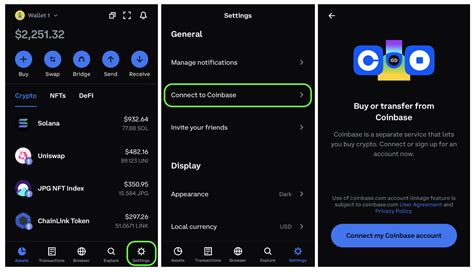
: Configure your wallet with an appropriate gap limit, taking into account your trading activities and budget.
- Monitor your balance: Regularly check your wallet balance to ensure it does not exceed the balance limit.
- Use smart contracts
: Consider using smart contract wallets, which offer more flexible features and better risk management.
- Diversify your assets: Distribute your funds across different cryptocurrencies, including Ethereum, to reduce exposure to any single asset.
Conclusion
Gap limit is a security feature built into Ethereum wallets, designed to prevent unexpected outflows of funds. While it is essential to understand the implications, you can take steps to mitigate potential risks by setting an appropriate gap limit and remaining vigilant about your wallet balance. By doing so, you will be better equipped to manage your assets and enjoy the benefits of using Bitcoin for payments.
