
Cat Casino INDIA 💰 Offers free spin 💰 VIP Programs.
February 4, 2025Ethereum: Transfer Blockchain from PC to Mac
February 4, 2025
Ethereum: Can You Install Bitcoin on a Linux Distribution Without Leaving Your Wallet Behind?
As a cryptocurrency enthusiast, you are probably no stranger to the world of blockchain and decentralized computing. One of the most interesting applications of Ethereum is its native token, Bitcoin. However, many users have expressed frustration with the process of installing Bitcoin on a Linux distribution due to the limitations of the software available. In this article, we will explore whether there are any Linux distributions that include the Bitcoin client pre-installed and what you can do when it comes to creating a lightweight, bootable USB with a working Bitcoin wallet.
The Problem:
Before we dive into the solution, let’s examine the challenges associated with installing Bitcoin on a Linux distribution. For example:
- Bitcoin requires a specific set of libraries and dependencies that are not included by default in most distributions.
- Some distributions may not provide a stable, up-to-date version of Bitcoin due to their own development priorities or security concerns.
The good news:
Luckily, there are some Linux distributions that come with the Bitcoin client pre-installed. While this is still not as straightforward as having it pre-installed on your Windows or macOS machine, these distributions offer a more user-friendly experience for those new to cryptocurrency and blockchain computing.
Here’s what you need to know:
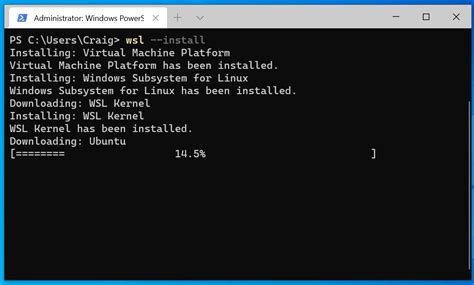
Ubuntu and Debian (with apt-get)
One of the most popular Linux distributions that come with Bitcoin pre-installed is Ubuntu. When installing an older version of Ubuntu, you can install the Bitcoin package using sudo apt-get install bitcoin or sudo apt-get install libbitcoin-rs-dev.
Arch Linux
Arch Linux also includes Bitcoin in its repositories via sudo pacman -S bitcoin. This distribution is known for its flexibility and customizability.
Other options (with build-time installation)
Another option is to download the Bitcoin source code from GitHub, compile it on your system using a compiler like GCC, and then install the resulting binary. This can be done manually or with the help of tools like sudo apt-get install gcc and git clone git://github.com/ethereum/wiki.git. However, this approach may not always work due to dependencies and architectural issues.
Creating a bootable USB with Bitcoin installed
Once you have installed Bitcoin on your Linux distribution, creating a bootable USB with a working wallet is relatively straightforward. Here’s what you can do:
- Download the Bitcoin client from [SourceForge]( or [GitHub]( Choose an older version of Bitcoin that is compatible with your Linux distribution.
- Create a new USB drive using your preferred method (e.g. USB-Tools on Ubuntu).
- Boot the USB drive into your system and follow these steps:
- Mount your USB drive as a filesystem (
sudo mount /dev/sdb1 /mnt/).
- Change directories to
/home/user/bitcoin(replace/home/user/with your desired directory structure). This will allow you to install the Bitcoin client.
- Install the Bitcoin client using
sudo dpkg -i bitcoin-0.18.1-amd64.deb.
- Verify that Bitcoin is installed correctly by running
bitcoincli --version.
Conclusion:
While there is no single Linux distribution that includes Bitcoin pre-installed, some popular distributions such as Ubuntu and Arch Linux include it out of the box. By creating your own bootable USB drive with a working wallet, you can easily access and use Bitcoin without any technical issues.
However, please note that some limitations may still apply, such as dependencies and architecture compatibility.
