
Our Top 10 Favorite Kazakh Casinos
February 13, 2025Scalping, Exchange Rate Risk, Honeypot
February 13, 2025
Understanding the World of Cryptocurrency: Cryptocurrency Market Research and Circulating Supply
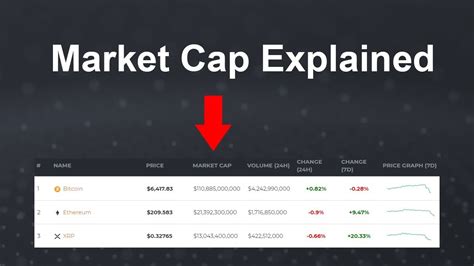
The world of cryptocurrency has come a long way since its inception in 2009. From Bitcoin to Ethereum, the market has seen many ups and downs, attracting both enthusiasts and skeptics. To navigate this complex landscape, it is essential to understand the fundamental concepts behind cryptocurrency, including market research and circulating supply.
What is cryptocurrency?
Cryptocurrency is a digital or virtual currency that uses cryptography for security and is decentralized, meaning it is not controlled by any government or financial institution. Transactions are recorded on public ledgers called blockchains, which ensure the integrity of the network. The most well-known cryptocurrency is Bitcoin, which was launched in 2009.
Market Research: A Key to Understanding Cryptocurrency
Market research plays a crucial role in understanding the world of cryptocurrency. It involves analyzing market trends, sentiment, and behavior to identify potential opportunities or risks. Market research can be divided into two broad categories:
- Technical Analysis: This type of analysis focuses on the technical aspects of the cryptocurrency, such as price history, trading volumes, and market sentiment.
- Fundamental Analysis
: This type of analysis examines the underlying factors that determine the price of a cryptocurrency, including supply and demand, adoption rates, and regulatory environments.
Circulating Supply: A Critical Concept
The circulating supply of a cryptocurrency refers to the total amount of coins or tokens available for use within the network. It is a crucial measure in understanding market dynamics, as it affects the value of each coin or token. Circulating supply is determined by various factors, including:
- Mining and burning: Coins minted or created through new blocks are added to the circulating supply, while coins burned or destroyed are removed from circulation.
- Transaction fees: Transaction fees are typically deducted from the circulating supply, which can lead to a reduction in the number of coins available.
Importance of circulating supply
Circulating supply has significant implications for cryptocurrency market research and analysis. A large circulating supply can lead to:
- Increased demand: When demand exceeds supply, prices tend to rise.
- Reduced price volatility: With more coins in circulation, the probability of a price drop decreases.
On the other hand, a low supply of coins can result in:
- Increased price volatility: As the total number of coins available decreases, prices can fluctuate wildly.
- Lower adoption: A market driven by scarcity can lead to lower adoption rates and reduced investor interest.
Example: Ethereum 2.0 Upgrade
In January 2021, Ethereum (ETH) completed its transition from a proof-of-work (PoW) network to a proof-of-stake (PoS) consensus algorithm. This upgrade is expected to increase the circulating supply of ETH by approximately 40%. As more coins are minted and created through new blocks, the total available supply will expand.
Conclusion
Researching the cryptocurrency market and understanding the circulating supply is essential for making informed investment decisions or trading strategies. By analyzing technical and fundamental data, investors can better navigate the complex landscape of cryptocurrency markets. The importance of circulating supply cannot be overstated, as it affects the value of each coin or token. As the cryptocurrency market continues to evolve, staying up-to-date with market research and understanding the complexities of circulating supply will be crucial to success.
Additional Resources
- [CryptoSlate](
- [CoinMarketCap](
- [Blockstream](
