
Wings Away from Gold Ports Comment & Free online Demo Video game
February 11, 2025Hotbit, Investment Returns, Trading Signal
February 11, 2025
“Decentralized Finance (DeFi): Revolutionizing the World of Cryptocurrencies and P2P Trading”
In recent years, the world of cryptocurrencies and finance has undergone a significant transformation, driven by technological innovations and decentralized systems. At the heart of this revolution are the concepts of decentralized exchanges (DEX), smart money, and peer-to-peer (P2P) trading.
Decentralized Exchange (DEX)
A DEX is a blockchain-based platform that allows users to trade cryptocurrencies directly without intermediaries such as brokers or exchanges. The idea behind DEXs is simple: instead of relying on centralized exchanges that can charge high fees and manipulate prices, users can buy and sell cryptocurrencies in a decentralized manner.
DEXs use smart contracts to facilitate business transactions, ensuring that all parties involved are accountable for their actions. This allows for greater transparency, security, and efficiency in the trading process. The most popular DEX is Uniswap (now part of Ethereum), which has emerged as the leading platform for cryptocurrency trading.
Pain Fee
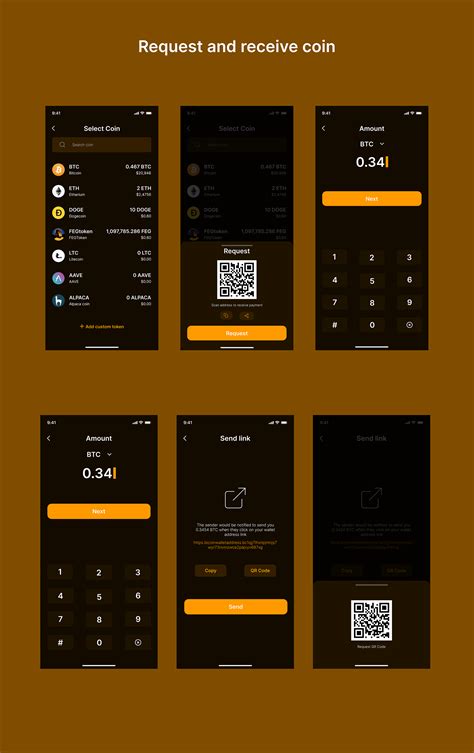
The term “smart money” refers to decentralized financial instruments and protocols that allow users to earn interest on their assets or lend assets to others at higher rates than traditional lending methods. These smart contracts are programmed with rules and conditions, such as liquidity requirements, risk management strategies, or collateral systems.
One pioneering project in this area is Compound (formerly Dollar-Cost Averaging), which uses a peer-to-peer network to lend assets and earn interest on deposits. Another notable example is MakerDAO, which uses smart contracts to create its own cryptocurrency, DAI, as collateral for credit transactions.
Peer-to-peer trading
Peer-to-peer trading is the process of buying and selling cryptocurrencies directly with each other, without the use of a centralized exchange. This type of trading is facilitated by blockchain-based platforms that allow users to connect directly with each other.
A notable example of P2P trading is KuCoin, a popular cryptocurrency exchange that allows users to trade cryptocurrencies directly with each other. Another pioneer in this field is BitMEX, which has emerged as one of the largest and most respected peer-to-peer trading platforms for cryptocurrencies.
Benefits and Challenges
The DeFi ecosystem offers a number of benefits, including:
- Increased Efficiency: DEXs and P2P trading platforms allow users to exchange cryptocurrencies quickly and efficiently without intermediaries.
- Low Fees: Decentralized systems often charge lower fees than traditional exchanges.
- Enhanced Security: Blockchain technology provides a high level of security and transparency in transactions.
However, the DeFi ecosystem also faces a number of challenges:
- Regulatory Uncertainty: Governments and regulators continue to grapple with the concept of decentralized finance and its implications for financial regulation.
- Scalability Issues: Decentralized systems can be slow to scale due to the complexity of blockchain technology.
- Liquidity Issues: Some DEXs and P2P trading platforms have reported liquidity issues, which can lead to market volatility.
Conclusion
The DeFi ecosystem represents a significant shift in the world of cryptocurrencies and finance, with innovations in decentralized systems and peer-to-peer trading. While challenges remain, the potential benefits of this technology are undeniable. As the DeFi landscape continues to evolve, we can expect to see increasingly sophisticated tools and platforms emerge that allow users to take control of their financial lives.
References
- Uniswap (2022). “White Paper.
